How to Curate a Mentally Healthier Online Experience

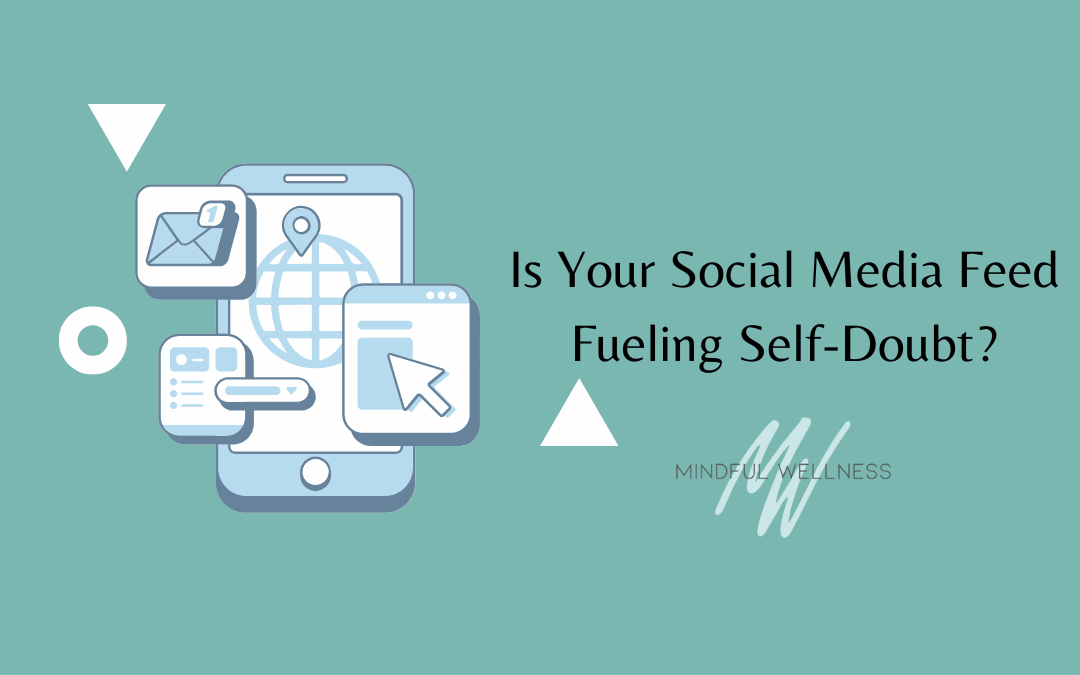
Social media can connect us, inspire us, and even teach us. But it can also quietly chip away at our confidence, leaving behind a trail of comparison, insecurity, and self-doubt. If you have ever found yourself feeling worse after scrolling through your feed, you are not imagining it. The content we consume daily has a direct impact on our mental and emotional well-being.
Let’s explore how to recognize when your feed is draining you and how to shift it into something that supports your mental health.
The Hidden Influence of What You Scroll
We often think of social media as entertainment or a way to pass time. But every post, story, and caption sends a message to your brain. Over time, repeated exposure to certain themes can shape your beliefs about yourself, your worth, and your place in the world.
Here are some common signs that your feed may be impacting your self-esteem:
- You feel behind in life after seeing other people’s milestones
- You feel “not good enough” compared to influencers or peers
- You catch yourself judging your appearance, lifestyle, or success more harshly

- You feel drained or anxious after spending time online
- You compulsively check your likes or followers for reassurance
If this sounds familiar, you are not alone. Social media platforms are built to keep you engaged, not necessarily empowered. But the good news is that you have more control than you think!
Step 1: Audit Your Feed with Curiosity
Instead of blaming yourself for feeling insecure, start with curiosity. Spend one day paying attention to how you feel after interacting with different accounts.
Ask yourself:
- Do I feel inspired or depleted after seeing this post?
- Am I comparing myself or celebrating others?
- Is this content rooted in reality or filtered perfection?
- Does this align with who I am or who I think I should be?
Write down what you notice. Often, we follow people out of habit, obligation, or curiosity, without asking how they actually make us feel.
Step 2: Unfollow Without Guilt
Your mental space is valuable. You do not owe anyone access to it. If a post repeatedly leaves you feeling unworthy, tense, or stuck in comparison, consider muting or unfollowing, even if that person is popular, successful, or well-meaning. Some content may be beautiful or aspirational, but still not supportive of your nervous system in this season of life. You are allowed to protect your peace.
Step 3: Curate a Mentally Nourishing Feed
Once you create space, begin filling your feed with people and pages that help you feel:
- Grounded in your values
- Seen in your struggles
- Encouraged to grow at your own pace
- Reminded that your worth is not tied to productivity or appearance
Consider following therapists, educators, artists, advocates, or everyday people who speak from a place of honesty rather than perfection. You can also follow nature accounts, gentle reminders, or humour pages that lift your mood.
When to Seek Support
If you notice that social media regularly triggers self-criticism, hopelessness, or emotional spirals, therapy can help. Sometimes our online habits reflect deeper beliefs about self-worth, belonging, or identity. A therapist can support you in building resilience and reshaping the inner voice that responds to what you see online.
You do not have to leave social media completely to protect your mental health. With intention and awareness, you can transform your feed from a source of self-doubt into one that fosters self-compassion. You deserve a digital space that reflects your real values, not just curated versions of success. Start small, even a few changes can make a meaningful difference.
Need support with digital boundaries or self-esteem? Book a session with our team.