
Heartbreak isn’t proof that you’re unlovable it’s proof that you were brave enough to love. Healing in your 20s and 30s means learning that endings aren’t failures, they’re invitations to meet yourself again.

Romantic rejection and heartbreak can feel like the world has tilted off its axis. Whether it was the end of a promising relationship or unrequited feelings, the emotional pain can be sharp, disorienting, and deeply personal. For those in their 20s and early 30s, this kind of emotional upheaval often strikes at a time when identity, career, and future dreams are still solidifying. The loss can feel destabilizing, as if the version of life you were building just slipped through your fingers.
Why It Hurts So Much
Heartbreak in early adulthood hits differently. Many people in their 20s and 30s are navigating life transitions like finishing school, starting careers, or contemplating long-term partnerships. When a romantic relationship doesn’t work out, it can feel like not just the person is lost, but the future you imagined with them too. Rejection can trigger feelings of inadequacy, self-doubt, and grief over what might have been.

Your Pain Is Valid
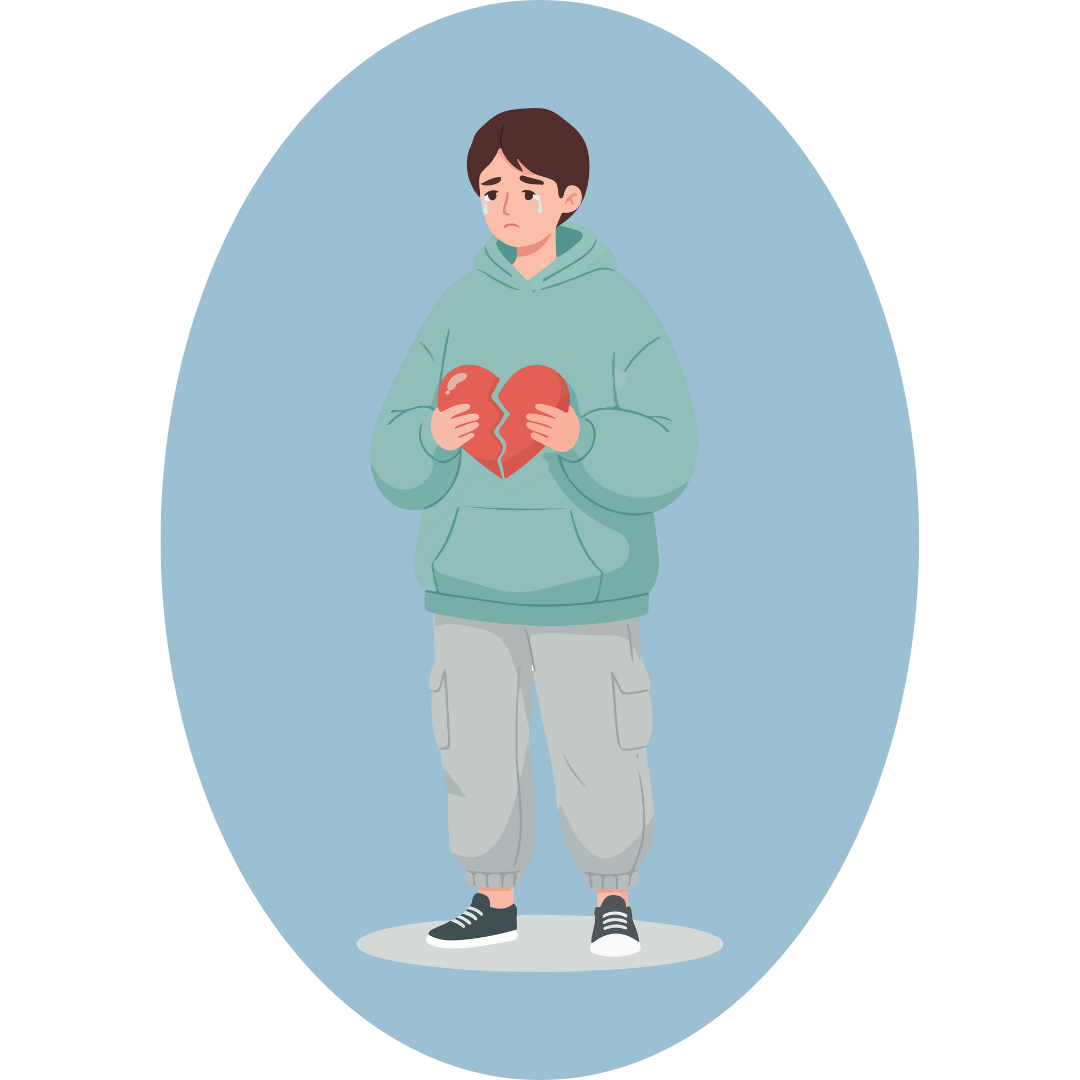
First, it’s important to acknowledge your pain without minimizing it. Too often, people shame themselves for being heartbroken, believing they should be “over it by now” or that “it wasn’t serious enough to feel this way.” The reality is that your emotional experience is valid, regardless of how long the relationship lasted or whether it was official. Mourning the loss of love, connection, and hope is a real and necessary part of healing.
Common Emotional Responses
You might feel:
- Grief over the loss of the connection or shared plans
- Confusion about what went wrong
- Self-blame or feelings of not being “good enough”
- Anger toward the other person or the situation
- Numbness or emotional shutdown, especially if the pain feels overwhelming
These are all normal. It doesn’t mean something is wrong with you, it means you’re human.
How to Start Healing
- Let Yourself Feel It
Suppressing or rushing your emotions can prolong the pain. Give yourself space to feel sad, disappointed, or angry. Journaling, talking to a therapist, or expressing emotions through art or movement can be helpful. - Limit Self-Criticism
Romantic rejection is not a measure of your worth. It may reflect misalignment, timing, or the other person’s own limitations. Try to interrupt harsh inner narratives and replace them with compassion and curiosity. - Avoid Idealizing the Past
It’s easy to replay the good memories and ignore the parts that didn’t work. Try to keep a balanced view of the relationship. Writing a list of what didn’t feel right or what was missing can help counter the fantasy. - Stay Connected to Others
Isolation can deepen heartbreak. Even if you don’t feel like socializing, try to stay connected with supportive friends, family, or a therapist. Connection reminds us we are not alone in our pain. - Focus on Self-Rebuilding
Heartbreak can be an invitation back to yourself. What parts of you felt neglected or silenced in the relationship? What new activities, goals, or routines can you explore? Reconnecting with your personal values, strengths, and interests can rebuild a sense of self that feels grounded again. - Reframe the Experience
With time, many people come to see heartbreak not just as loss, but as a turning point. It may lead to greater self-awareness, emotional growth, and clarity about what you truly need in a relationship.
When to Seek Support
If your heartbreak feels too heavy to carry, or if it’s affecting your ability to function, consider speaking with a therapist. You don’t need to go through it alone. Therapy can help you process the emotions, make sense of the story you’re carrying, and move forward with clarity and strength.
Heartbreak in your 20s or 30s is often more than just the end of a relationship. It’s a disruption to the story you were writing about your future. But endings are not failures, they are redirections. With support, self-compassion, and time, you can emerge from romantic rejection with deeper insight, stronger boundaries, and a renewed sense of self.

If you’re struggling with heartbreak or relationship loss, our clinic is here to support you. Reach out to book a session with one of our therapists.