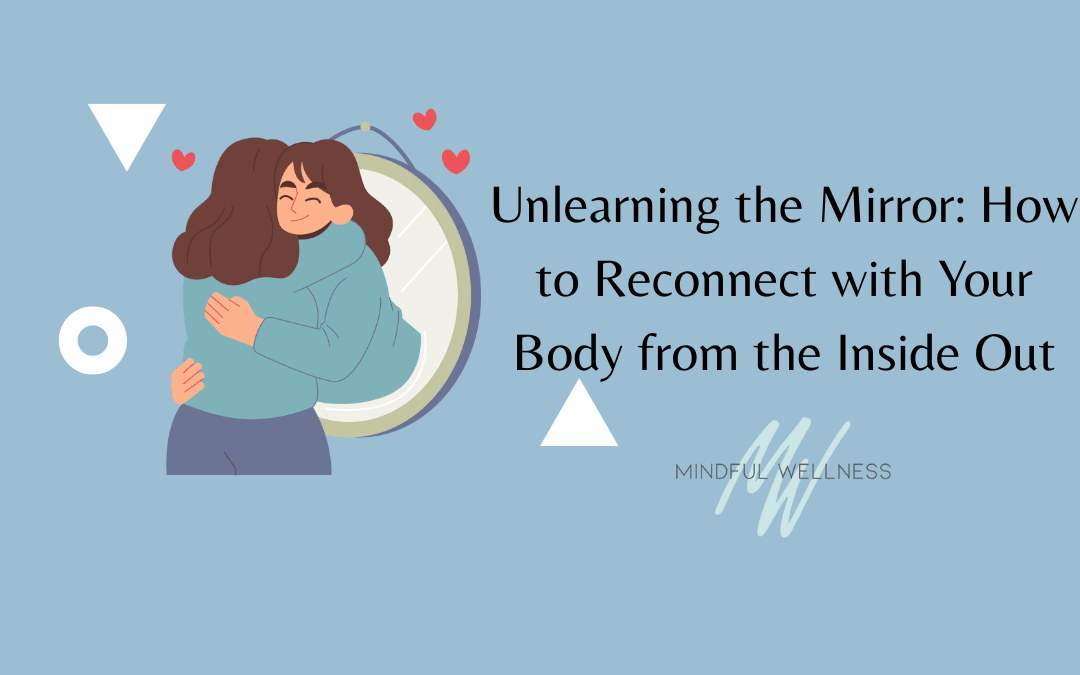
True healing begins when you stop seeing your body as a reflection to fix and start feeling it as a home to return to.

In a world that constantly tells us how our bodies should look, it is easy to become disconnected from how our bodies feel. The mirror becomes a source of judgment rather than reflection. When your relationship with your body is shaped by criticism or comparison, healing often begins with unlearning the mirror and learning to reconnect with your body from the inside out.
What Is Body Neutrality?
Body neutrality is a perspective that shifts the focus away from appearance and toward function and lived experience. Instead of striving to love every part of your body, body neutrality encourages respect for what your body does, including how it carries you, supports you, and experiences the world. It’s a compassionate and realistic approach, especially for those who find body positivity too difficult or distant.

Why Unlearning the Mirror Matters
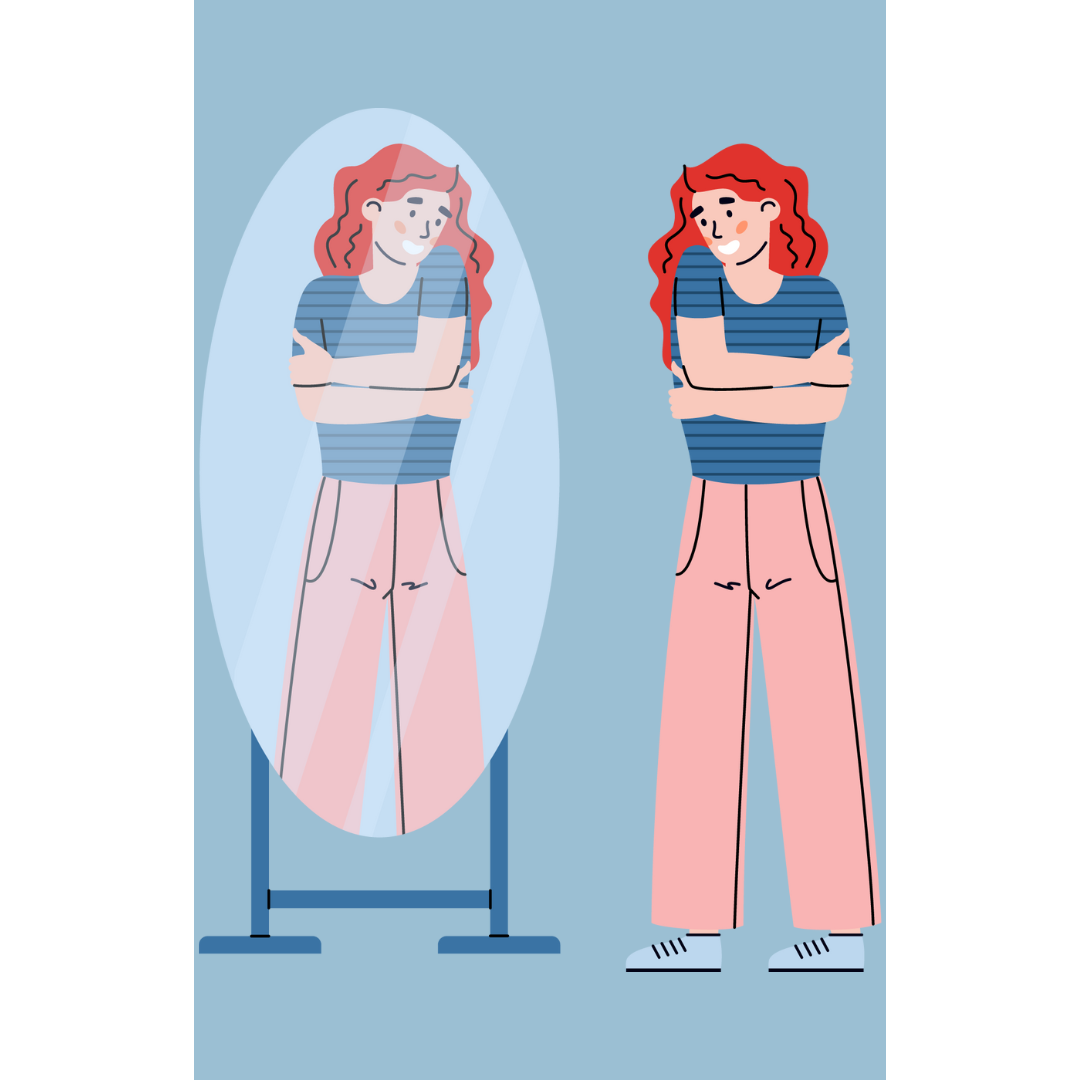
When we constantly rely on visual cues to judge our worth or wellness, we ignore the deeper messages our body sends us. This overfocus on appearance can contribute to anxiety, shame, and body image distress. Reconnecting with the body from within helps build safety, trust, and resilience, not just in how you see yourself, but in how you feel yourself.
Somatic Strategies to Reconnect with Your Body
- Grounding through the Senses
Pause and bring your attention to what you can feel, smell, hear, or taste in this moment. Sensory grounding anchors you in the present and helps restore connection with your body’s immediate experience. - Body Scans without Judgment
Take a few minutes each day to gently scan your body from head to toe. Notice areas of warmth, tension, or numbness. Not to fix anything, but to listen. Think of this as a daily check-in rather than an evaluation. - Move for Function, Not Form
Try walking, stretching, dancing, or yoga with the intention to feel rather than perform. Let your body lead, not your reflection.
4. Breath Awareness
Your breath is one of the fastest ways to tune into your body. Practice placing one hand on your chest and one on your belly. Breathe naturally and notice the rise and fall. This builds awareness of internal rhythms and invites calm.
- Replace Appearance-Based Self-Talk
When you notice self-critical thoughts about your appearance, try shifting focus to your body’s function. Instead of “I hate how my arms look,” say, “These arms carry groceries, hug people I care about, and help me get through my day.” - Use Mirror-Free Moments
Designate times when you intentionally avoid mirrors. Use these moments to tune into how you feel in your body rather than how you look. Check in with hunger, energy, tension, or comfort instead. - Practice Self-Compassion in Motion
When engaging in movement, notice any urges to push through discomfort or shame. Instead, respond with compassion. “It’s okay to slow down. My body is allowed to need rest.” - Mindful Touch and Care
Apply lotion, take a warm shower, or rest under a blanket, not just for hygiene or routine, but to offer your body comfort and care. Do it slowly and mindfully, noticing sensations and emotions that arise.
Mindfulness Practices for Body Neutrality
- Replace Appearance-Based Self-Talk
When you notice self-critical thoughts about your appearance, try shifting focus to your body’s function. Instead of “I hate how my arms look,” say, “These arms carry groceries, hug people I care about, and help me get through my day.” - Use Mirror-Free Moments
Designate times when you intentionally avoid mirrors. Use these moments to tune into how you feel in your body rather than how you look. Check in with hunger, energy, tension, or comfort instead. - Practice Self-Compassion in Motion
When engaging in movement, notice any urges to push through discomfort or shame. Instead, respond with compassion. “It’s okay to slow down. My body is allowed to need rest.”
4. Mindful Touch and Care
Apply lotion, take a warm shower, or rest under a blanket, not just for hygiene or routine, but to offer your body comfort and care. Do it slowly and mindfully, noticing sensations and emotions that arise.
A Gentle Reminder
Reconnecting with your body is not a race or a final destination. It is a practice of tuning in, listening deeply, and respecting what your body tells you, even when the messages are hard to hear. You do not need to love your body to be kind to it. Neutrality, presence, and care are powerful enough.
If you are struggling with body image or feel disconnected from your physical self, you are not alone. Working with a therapist can help you begin a safe and sustainable path back to your body.
Interested in talking with someone?
Schedule a free consultation or contact us today to take the next step.